
Menopause

What causes Menopause?
Natural menopause usually occurs between 50-51 years of age however, this can vary between 40-60 years in some women. Early menopause is associated with an increased risk of cardiovascular disease and osteoporosis and a decreased risk of breast cancer. Menopause begins when the final menstrual period occurs. The final menstrual period is known only in retrospect after 12 consecutive months of amenorrhea (absence of menstruation).¹
How can Bites Dietitians help?
There is still limited evidence between the influence of exercise and/or diet on these specific factors which encompass the menopausal transition. However, as menopause occurs, women are at an increased risk of developing chronic health conditions such as cardiovascular disease (CVD) and osteoporosis. The risk of CVD increases in women at the age of 50 which is roughly around the same age menopause occurs. Women also experience lower bone mineral density which has been associated with early menopause due to decreased estrogen levels. Bone mineral density continues to decline after menopause with an annual decrease of 3-5%. Menopause has also been associated with weight gain which can cause the vasomotor symptoms to increase resulting in an imbalance of thermoregulation. This can then cause an increase in adiposity weight gain, which is associated with increased risk of comorbidities such as diabetes and high cholesterol.
The adverse effects and symptoms associated with menopause can take a toll on women and their overall wellbeing. As a result of this, it’s an extremely important time to ensure women are consuming a diet that is optimised for menopause. The right diet is likely to help reduce some of the negative side effects associated with menopause.
At Bites, our Dietitians are constantly researching to keep up to date with the most recent evidence-based dietary therapies that can help to manage menopause. We can provide dietary guidance and advice to equip you with the knowledge on how to implement lifestyle changes that will be protective against associated chronic conditions such as osteoporosis, CVD and weight gain. Menopause can be stressful and uncomfortable for some women. If you would like some support whilst going through this stage of life, you can make an appointment with one of our dietitians who can assist you in managing menopause and help you reach any other health goals.

An interesting fact about Diet and Menopause
Soy isoflavones are becoming popular among post-menopausal women in the hope to reduce symptoms associated with menopause and estrogen deficiency. There is evidence to suggest that isoflavones might be protective against chronic conditions associated with menopause such as osteoporosis and CVD however, more research needs to be conducted to confirm these findings.¹
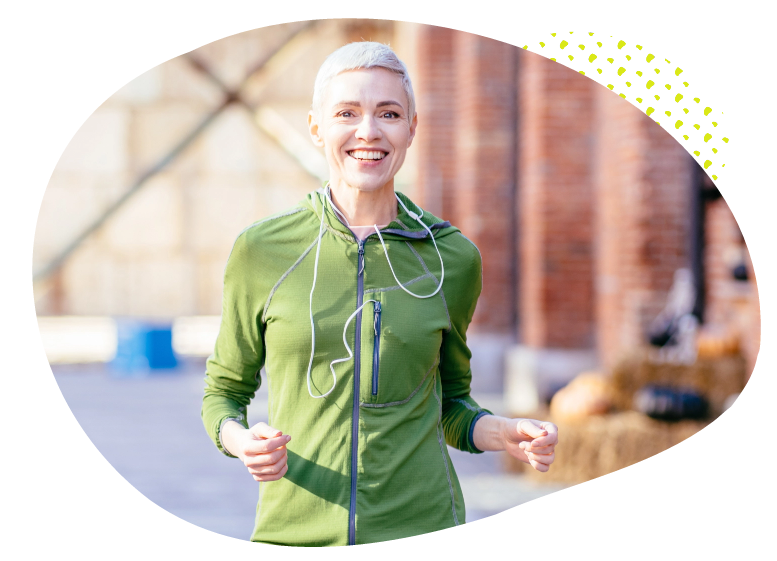
How can Bites Exercise Physiologists help?
During menopause women experience a decline in their basal metabolic rate and loss of lean muscle which can lead to further weight gain. Women in their middle age typically gain an average of 2-2.5kg over a 3-year period. This weight gain and reduction in metabolic rate is typically in response to reduced activity, as women tend to reduce regular exercise during middle age by up to 40%. Menopause is also associated with an increase in total and central fat and decrease in muscular strength, the increase in abdominal fat in postmenopausal women can increase the development of insulin resistance which can lead to the development of type 2 diabetes. Additionally, it can cause increase in total LDL cholesterol (bad cholesterol), decrease in HDL cholesterol (good cholesterol) leading to hyperlipidaemia (high cholesterol).²
Exercise and regular physical activity can help to prevent and even reverse these risk factors. The advantages of beginning or continuing exercise as you get older are immense. Exercise is proven to reduce the risk of cardiovascular events, obesity, hypertension, diabetes, high cholesterol, and some cancers. As we age our aerobic capacity begins to decline, physical inactivity, overweight and obesity, oxidative stress, inflammatory markers, and cognitive impairment have been associated with sarcopenia, which can then reduce quality of life and independence during aging. Several studies have shown exercise to be beneficial in reducing menopausal symptoms, however, other studies have found inconclusive results.2 Although exercise may not be the cure to the vasomotor symptoms such as night sweats and hot flushes it will help to prevent chronic conditions associated with menopause and aging!
In our experience common barriers that prevent women from exercising can include being time poor, unsure of where to start and not having anyone to exercise with to name a few. At Bites, our exercise physiologists can provide tailored exercise programs that can be adapted to home, gym or outdoor settings depending on what you would prefer. You can also have our allied health assistants take you through the program your exercise physiologist created for you in our Bella Vista clinic, your home, a park or your gym if you find it helpful to exercise with someone! Our exercise physiologists will incorporate evidence-based practice to create the most effective exercise program for you.
An interesting fact about exercise and menopause
What improvements can you expect from a tailored Dietary/Exercise prescription?
- Guidance on lifestyle and dietary interventions to help improve health during menopause and beyond
- Support to create healthy routines and complete exercise programs or diet intervention strategies.
- Reduction in symptoms such as hot flushes
- Improvements in markers for high cholesterol, hypertension, and diabetes, weight loss or weight management (if this is your goal)
- Maintenance or improvement in muscle strength and aerobic fitness

Helpful things to bring/remember before your first appointment
- Recent blood results
- Referral (if you have one)
- Food diary (optional)
- List of goals you wish to achieve
- Any other documents or information you think would be beneficial in your session!
References:
1. Martin, C. J. H., Watson, R.R., & Preedy, V.R. (Eds). (2013). Nutrition and diet in menopause (p. 469). Humana Press.
2. Grindler, N., & Santoro, N. (2015). Menopause and exercise. Menopause, 22(12), 1351-1358. doi: 10.1097/gme.0000000000000536
Want To Know More About Other Conditions We Treat?